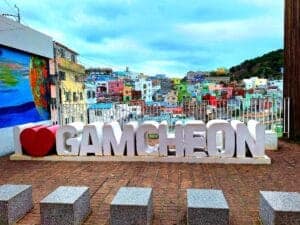
Find your travelglaze moments in Busan
Busan, South Korea’s seaside gem, is full of exciting things to see and do. It’s a place where mountains meet the sea, and you’ll find everything from cliffside temples to colorful markets and scenic walks above the water. These are just a few of the things I found interesting, but there’s so much more to explore. Think of this as a Travelglaze suggestion—a great way to start discovering the magic of Busan!
1. Sky Capsule: A Scenic Ride Above the Coast
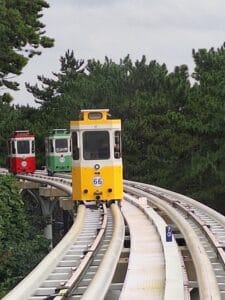
The Sky Capsule is one of the most unique ways to enjoy Busan’s coastline. This two-person rail car runs along the cliffs between Songjeong Beach and Mipo Station, offering stunning ocean views as you glide peacefully above the waves. It’s a compact, colorful ride that feels both modern and nostalgic—a must-try for anyone visiting Busan.
Need-to-Know Details:
- Route: Songjeong Beach to Mipo Station
- Cost: In 2025 Around 40,000 KRW (~$27 USD) for two people (one way)
- Duration: About 25 minutes one way
- Pro Tip: Tickets sell out quickly, especially on weekends. Book in advance through the official website or on-site kiosks.
Why It’s Special:
The Sky Capsule is a slower, more intimate ride compared to the adjacent coastal train, giving you plenty of time to enjoy the sea views and snap photos. It’s also quiet and eco-friendly, making it a great choice for a relaxing trip along the coast.
Fun Fact:
Since its debut, the Sky Capsule has become a social media favorite, thanks to its vibrant design and picture-perfect location. It’s one of Busan’s most Instagrammable experiences!
2. Haedong Yonggungsa Temple: A Temple by the Sea
Haedong Yonggungsa is one of the few temples in Korea located along the coast, making it a unique spot to visit. Built in 1376, this beautiful Buddhist temple sits on a rocky cliff overlooking the ocean, offering both spiritual and scenic vibes.
Need-to-Know Details:
- Location: 86, Yonggung-gil, Gijang-gun, Busan
- Cost: Free entry
- Best Time to Visit: Early morning for fewer crowds and gorgeous sunrise views.
- Pro Tip: Wear comfortable shoes—the walk to the temple includes a series of stairs.
Why It’s Special:
Unlike most mountain temples in Korea, Haedong Yonggungsa blends the serenity of Buddhism with stunning coastal views. The temple is also famous for its golden Buddha statues, beautiful pagodas, and a wishing well where visitors toss coins for good luck.
Fun Fact:
The temple is especially popular during Buddha’s Birthday in May when the grounds are lit up with colorful lanterns, creating an enchanting atmosphere.
3. Gamcheon Culture Village: Busan’s Artistic Hillside Gem
Gamcheon Culture Village, often called the “Santorini of Korea,” is a colorful neighborhood filled with murals, art installations, and winding alleyways. Once a modest hillside community, it was transformed into an artistic hotspot as part of a public art project.
Need-to-Know Details:
- Location: Take Bus #2 or #2-2 from Toseong Station (Subway Line 1).
- Cost: Free to explore; some activities may have small fees.
- Pro Tip: Grab a village map for 2,000 KRW at the entrance—it guides you to the best photo spots and art installations.
Why It’s Special:
Every corner of Gamcheon feels like a surprise, from vibrant murals to quirky cafes and rooftop views of the city. It’s a great place to wander and take photos, especially if you enjoy street art and hidden gems.
Fun Fact:
Gamcheon’s transformation began in 2009 with help from local artists and residents. Today, it’s one of Busan’s most visited attractions.
4. Songdo Skywalk: A Walk Above the Sea
The Songdo Skywalk is a glass-bottomed bridge stretching 365 meters out over the sea. Located at Songdo Beach, it’s the longest skywalk in Korea and offers an exhilarating way to enjoy Busan’s coastal views.
Need-to-Know Details:
- Location: Songdo Beach, Busan
- Cost: Free
- Best Time to Visit: Sunset for breathtaking views of the golden horizon.
- Pro Tip: Wear sturdy shoes if you plan to explore the nearby rocky shorelines.
Why It’s Special:
To be honest—it’s not so special because Skywalks in South Korea are very popular. You will find a lot of them at the coast. They are famous for their stunning coastal views and safe, family-friendly design. They’re built to showcase the country’s innovation and love for outdoor activities while boosting local tourism. Busan has two: Songdo Skywalk and Oryukdo Skywalk. They fit right into this trend, offering scenic, photogenic moments for visitors to enjoy.
Fun Fact:
Songdo Beach, where the skywalk is located, was Korea’s first public beach, opened in 1913.
Travelglaze Story:
In Busan, we decided to join a day tour. I usually love organizing everything myself, but sometimes I like to take a break and let someone else handle the planning. This was one of those times, and it was totally worth it!
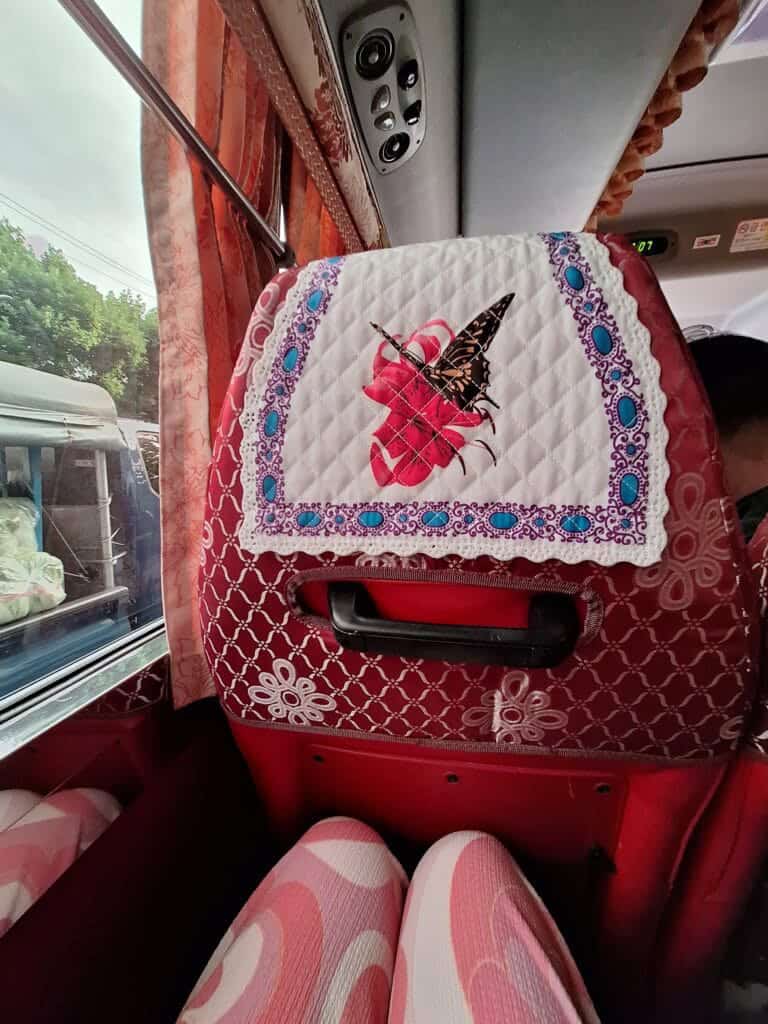
Busan Tour
We were picked up in a fun and unusual bus. If you want to see all the main sights quickly and easily, I’d highly recommend this. Our guides were three young guys who spoke great English and really went out of their way to make the day special. They didn’t just show us the main attractions—they even added extra stops they thought we’d enjoy.
One of those surprises was a stunning view from a hotel that I’d never have found on my own. It was such a relaxing and fun way to explore Busan! 🚌✨
5. Huinnyeoul Culture Village: A Cliffside Gem of Art and History
Huinnyeoul Culture Village is a quiet, artistic neighborhood perched on the cliffs overlooking the sea. Known for its colorful houses, narrow alleys, and serene atmosphere, this village offers a charming escape from the busy city. It’s the perfect place to wander, snap photos, and enjoy the slower side of Busan.
Need-to-Know Details:
- Location: Near Yeongdo Bridge, easily accessible from downtown Busan
- Cost: Free to explore
- Pro Tip: Wear comfortable shoes—some of the alleyways can be steep and uneven.
Why It’s Special:
Huinnyeoul is often called the “Santorini of Busan” for its cliffside views and brightly painted homes. It’s also a place where art meets history, with murals, small galleries, and cultural displays that reflect the area’s past as a fishing village.
Fun Fact:
This village was a filming location for the famous Korean movie The Attorney (2013), which brought even more attention to its picturesque charm.
6. Yacht Tour: See Busan’s Coastline in Style
For a luxurious way to experience Busan’s coastline, hop aboard a yacht tour. These tours offer a fresh perspective of the city, letting you glide past iconic landmarks like Gwangandaegyo Bridge, Haeundae, and the cliffs of Taejongdae. Whether you’re looking for a romantic evening or a fun group activity, a yacht tour is a memorable way to take in Busan’s beauty.
Need-to-Know Details:
- Where to Book: Yacht tours are available from various marinas around Busan, including Suyeong Bay and The Bay 101.
- Cost: Starting from 30,000 KRW (~$23 USD) per person (prices vary by tour length and type).
- Pro Tip: Sunset and evening tours are especially popular for their views of the city lights reflecting on the water—book in advance!
Why It’s Special:
A yacht tour combines stunning scenery with a relaxing, upscale vibe. You’ll enjoy panoramic views of Busan’s coastline, with the added bonus of wine, snacks or music, you will have a travelglaze VIP experience.
Fun Fact: Gwangandaegyo Bridge, also known as the Diamond Bridge, is South Korea’s longest bi-level suspension bridge, stretching 7.4 kilometers. At night, it’s illuminated by over 100,000 LED lights that can display various colors and patterns, making it one of Busan’s most dazzling nighttime landmarks. It’s even used for special light shows during festivals!
7. Jagalchi Fish Market: Seafood Heaven
Jagalchi Fish Market is Korea’s largest seafood market, offering everything from live octopus to freshly caught king crab. It’s the ultimate spot for seafood lovers and a great place to experience Busan’s bustling food culture.
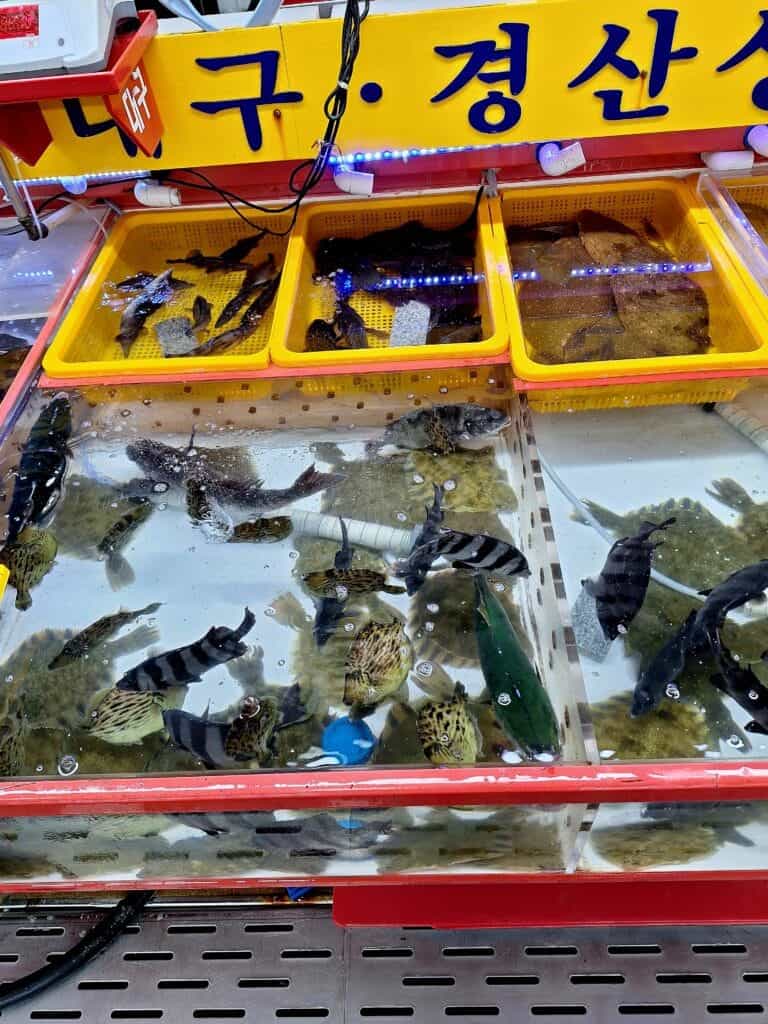
Exotic fishes on the fish market
Need-to-Know Details:
- Location: Near Jagalchi Station (Subway Line 1)
- Hours: 5:00 AM–10:00 PM (varies by vendor)
- Pro Tip: You will also find restaurants that will cook your purchased seafood for you.
Why It’s Special:
The market is an explosion of sights and sounds. It is so clean that you sometimes feel you are looking at an aquarium instead of a fish market. Outside is another kind of market experience where you can find dried fish and many other food and goodies.
Fun Fact:
The market has been a Busan landmark since the Korean War era and remains one of the city’s most iconic destinations.
8. Hotel La Valse: Stunning Night Views
End your day at Hotel La Valse’s rooftop for one of the best free night views in Busan. Overlooking the Busan Bridge and city lights, this spot is perfect for unwinding after a full day of exploring.
Need-to-Know Details:
- Location: Hotel La Valse, Nampo-dong, Busan
- Cost: Free
- Pro Tip: Bring a light jacket—rooftops can get chilly, especially in the evening.
Why It’s Special:
The view from La Valse is both relaxing and breathtaking. With no cost to access the rooftop, it’s a hidden gem that offers million-dollar views without spending a dime.
9. Gukje Market: A Shopper’s Paradise with a Story
Gukje Market is one of the largest and oldest traditional markets in Busan. Originally established by refugees during the Korean War, it has grown into a bustling hub where you can find everything from clothing and home goods to street food and souvenirs. Wandering through its maze of alleys feels like stepping into a living piece of Busan’s history.
Need-to-Know Details:
- Location: Near Jagalchi Station, Subway Line 1
- Cost: Free to enter, but you’ll want to bring cash for shopping and snacking.
- Pro Tip: Don’t miss the “Arirang Street” section of the market, which has a great selection of vintage items and Korean crafts.
Why It’s Special:
Gukje Market isn’t just about shopping—it’s about experiencing the energy of Busan’s local culture. The market’s mix of modern and traditional makes it a fascinating place to explore, even if you don’t plan to buy much.
Fun Fact:
The market was famously featured in the Korean movie Ode to My Father (2014), which tells the story of a family navigating the hardships of the Korean War and its aftermath.