


When you think of the French Riviera, you probably imagine sunny beaches, palm trees, and sparkling blue water. But hidden behind the glamorous image is another side of the coast—full of quiet ghost stories and legends. If you are curious about haunted places in France, you don’t need to go to Paris. Right here on the Riviera, from Èze to Cannes, history has left behind shadows, whispers, and mysterious tales.
Nice is the perfect base for exploring them. In less than an hour, you can reach medieval villages, historic forts, and even an island prison where strange stories are still told. These are not frightening ghost tours, but calm day trips with a touch of mystery. Think of it as travel with a little extra wonder.
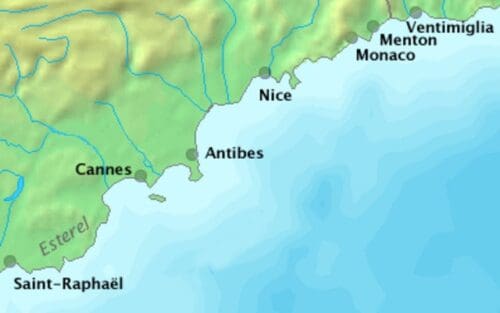
Each legend is linked to a real place you can visit today, with tips to make your trip comfortable and slow—Travelglaze style.
Use this short “Quick jump” list right under the intro paragraph:
High on the cliffs above the Mediterranean lies Èze, a medieval village known for its stone streets and breathtaking views. Yet hidden in its history is the legend of the Devil’s Bridge.
According to local tales, the villagers once made a pact with the Devil. He promised to build them a bridge overnight in exchange for the soul of the first who crossed it. At dawn the bridge was ready, but the clever villagers sent a goat across instead of a person. Realising he had been tricked, the Devil vanished in rage—leaving the bridge behind but forever cursed.
Even today, some locals insist the bridge carries bad luck. Older generations say that travellers who cross it at night hear hooves echoing on the stones, long after the last person has passed. A few villagers even warn that shadows move differently there at sunset, as if the Devil is still pacing in anger. While most people smile at the story, there are those who quietly admit they avoid the path after dark.
Practical Information
From Nice: Take bus 82 or 112 (approx. 30 minutes) to Èze Village.
Address / Area: The “Pont du Diable” is connected with the old paths that link Èze Village to the sea. The story is most often tied to the steep Nietzsche Trail leading down to Èze-sur-Mer. The trailhead is marked at the bottom in Èze-sur-Mer (near the train station) and at the top near the entrance to Èze Village.
Best time to visit: Morning, when the lanes are quiet and cool.
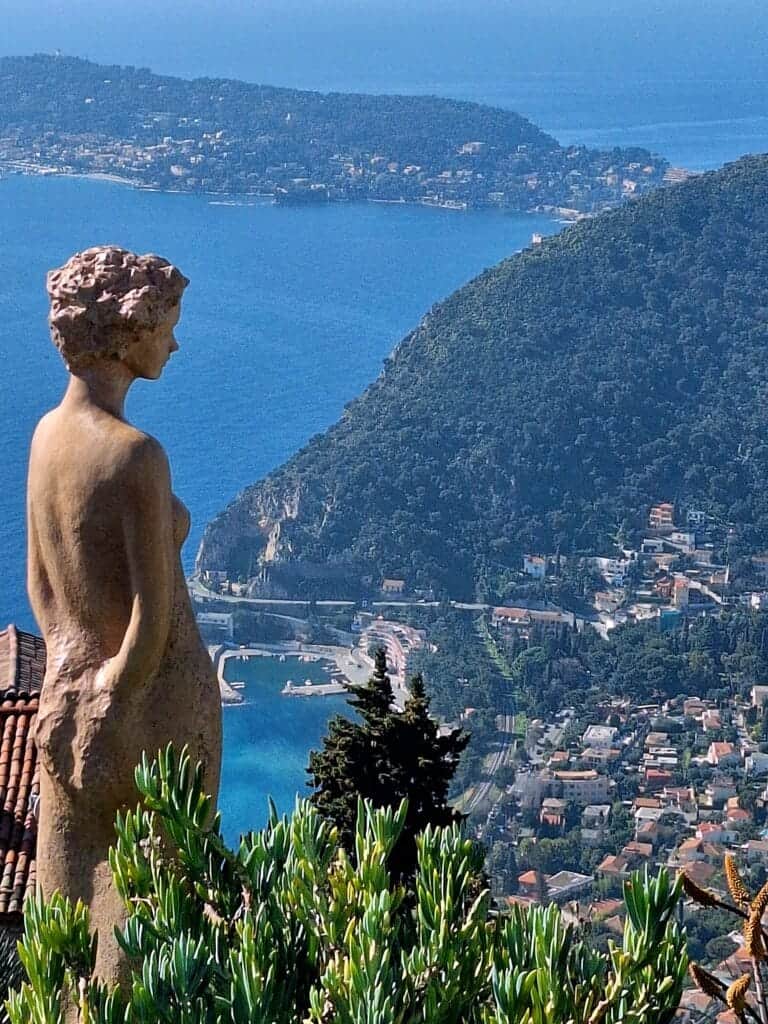
Travelglaze Tip: Climb up to the Exotic Garden at the top of Èze. The cactus terraces and viewpoints offer spookily beautiful panoramas of the Mediterranean. It’s the best place to enjoy the magic of Èze—without any ghosts in sight.
If you want more calm tips for this region, read my blog on a comfortable day trip in Nice where Èze is also featured.
Just a short boat ride from the glamorous boulevards of Cannes lies Île Sainte-Marguerite, the largest of the Lérins Islands. Today it feels calm, with pine forests, rocky coves, and seabirds wheeling overhead. But the island is also home to one of France’s most enduring mysteries—the story of the Man in the Iron Mask.
In the 17th century, the royal fortress on the island held a secret prisoner. His identity was never revealed, and his face was hidden behind a mask. Was he the king’s twin brother? A dangerous political rival? Or just an unlucky man caught in court intrigue? No one knows for sure. Over time, the tale of the masked prisoner became legend, inspiring writers from Voltaire to Alexandre Dumas.
Locals still point to the fortress walls where he was kept. Some say that on quiet evenings, you can hear the clank of chains or the faint echo of footsteps in the old cells. Whether true or not, the island’s silence makes it easy to imagine the loneliness of a life spent in hidden captivity.

Practical Information
From Nice: Take the train to Cannes (about 40 minutes), then the ferry from the Old Port to Île Sainte-Marguerite (15 minutes).
Address: Fort Royal, Île Sainte-Marguerite, 06400 Cannes.
Tickets: Ferries run several times daily. Entrance to the fort and museum is separate from the boat ticket.
Travelglaze Tip: After visiting the prison cells, take the circular walking path around the island. It leads you through eucalyptus groves and down to hidden coves where you can sit by the water in peace. Few visitors stray beyond the fortress, so it’s one of the calmest coastal walks near Cannes—an ideal way to balance history with comfort.
Nice is also home to one of the world’s oldest carnivals. If you want to balance mystery with celebration, read my guide to the history and traditions of the Nice Carnival
