Should You Buy a London City Pass? Here’s How to Decid
You’re scrolling through London travel sites, and suddenly every other ad screams: 🎟️ “Save up to 50% with a London City Pass!” But does that saving actually work for your trip?
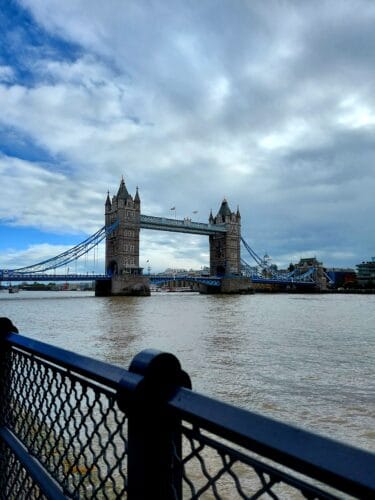
London is a city where your travel style matters. Some visitors want to see several big paid sights in two or three days. For them, a city pass can sometimes work well. Others prefer free museums, markets, neighbourhood walks, parks, viewpoints and a slower rhythm. In that case, a pass may add pressure instead of value.
In this guide, I will help you look beyond the marketing and figure out if a city pass actually fits your travel style. We will look at what is included, how it relates to public transport, and the specific questions you should ask yourself before clicking ‘buy’.
Jump straight to:
What is a London city pass?
What is usually included in a London city pass?
Is public transport included in a London city pass?
When can a London city pass be worth it?
When is a London city pass probably not useful?
What to check before you buy a London city pass
Some links in this article are affiliate links, shared as practical options to keep planning simple.
What is a London city pass?
A London city pass is essentially a digital bundle of entrance tickets. Instead of paying for every attraction separately, you pay a one-time fee to access a variety of landmarks, museums, and tours. In London, most passes are digital and work through an app on your phone, which you simply scan at the entrance.
In London, there are three main passes travellers often look at:
The London Pass — This works on a day-based system. You pick a duration (1, 2, 3, or more days) and can visit as many included attractions as you want within that period. It covers a long list of sights, from the Tower of London to Westminster Abbey and even a Thames river boat trip.
Go City London Explorer Pass — This one works on a number-of-attractions system. You choose how many attractions you want to visit (for example 3, 5, or 7) and have 60 days to use them after the first visit. It gives you more flexibility on timing and works well if you prefer a slower pace spread over several days.
London City Pass / Turbopass — This pass often includes public transport within central London zones, which the other two do not. It can feel more all-in-one, but the list of included attractions is usually shorter than the London Pass.
🧭 Travelglaze Tip:
Don’t start by comparing prices. Start by listing the three or four attractions you actually want to visit. Only then check which pass — if any — covers them. This saves you from paying for a long list of attractions you’ll never use.
What is usually included in a London city pass?
Most London city passes focus on paid sights and organised experiences. The exact list changes per pass, but the idea is usually the same: you get access to a group of attractions without buying each ticket separately.
Common inclusions are major historic sights, viewpoints, river cruises, guided tours and sometimes hop-on-hop-off buses. Well-known examples can include the Tower of London, Westminster Abbey, St Paul’s Cathedral, Kensington Palace, The London Bridge Experience, The View from The Shard, or a Thames river cruise.
Some passes are stronger for classic first-time sightseeing. Others are better if you want more choice, such as food tours, walking tours, stadium tours, family attractions or smaller museums. That is why it is important not only to look at the total number of attractions included. A pass with “90+ attractions” sounds useful, but only if the attractions you actually want are on the list.
A hop-on-hop-off bus is also often included in some London passes. This can be handy for visitors who want an easy overview of the city, especially on a first visit. But London is large, and traffic can be slow. A hop-on-hop-off bus is not always the fastest way to move between sights. It works better as a sightseeing experience than as your main transport system.
(Internal link idea: link to your blog about how transport in London works.)
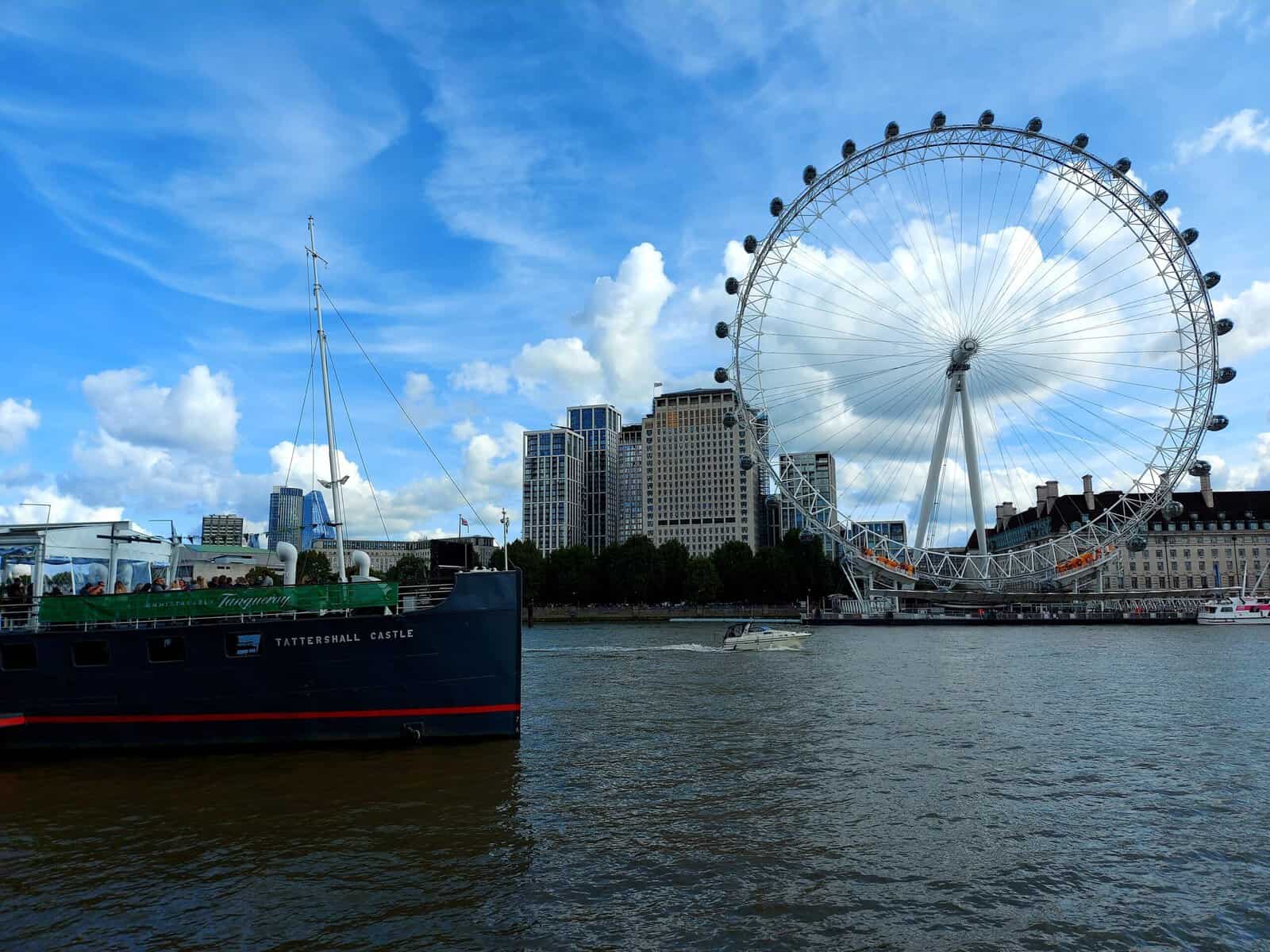
A Thames river cruise can be a more relaxed inclusion, especially if it connects places you already want to visit, such as Westminster, the London Eye area, Tower Bridge or Greenwich. It can add real value if you were planning to take a river cruise anyway.
✅ Quick comparison: what may be included
| Usually included | Good fit if… | Check first |
|---|---|---|
| Major paid attractions | You want to visit several classic sights | Are your must-sees actually included? |
| Viewpoints | You like skyline views and planned photo stops | Is the time slot flexible or fixed? |
| River cruises | You want a slower way to see London from the water | Where does the cruise start and end? |
| Hop-on-hop-off bus | You want an easy first overview of the city | London traffic can make it slow |
| Guided tours | You enjoy context and stories with a guide | Do you need to reserve in advance? |
| Family attractions | You travel with children or teens | Are age rules and opening times suitable? |
⚠️ Important: Not all museums are included. And some of the best museums in London — like the British Museum, National Gallery, and Tate Modern — are completely free anyway. So don’t assume a pass covers everything worth visiting.
Is public transport included in a London city pass?
🚇 in most cases, normal public transport in London is not included in a standard sightseeing pass. This is an important detail, because London city passes and London transport tickets usually work as two separate things.
For travelling around the city, most visitors use contactless payment, an Oyster card or sometimes a Travelcard. These are used for the Underground, buses, trams, DLR, London Overground, Elizabeth line and some National Rail services within London. A sightseeing pass normally gives access to attractions, not to the daily transport network.
Some London passes may include a hop-on-hop-off bus for a limited time, such as one day. This can be useful as a sightseeing route, but it is not the same as having unlimited London public transport. Hop-on-hop-off buses follow tourist routes and can be affected by traffic, roadworks and busy central streets.
If your pass includes a river cruise, that also does not usually mean unlimited public transport by boat. It is often a specific sightseeing cruise or a limited route. London also has regular river services, but those normally have their own ticketing system.
💡 Travelglaze Tip:
When you plan a London pass day, check both attraction locations and transport time between them. Two attractions may look close on a map, but in London you may still need 20–40 minutes to move between them, especially with station walks, stairs, crowds or transfers.
When can a London pass be worth it?
🧮 A pass is not automatically a good deal — but in the right situation, it can genuinely save you money and hassle. Here’s when it tends to work best:
- You want to visit several paid attractions in a short time. If you’re in London for three days and plan to see the Tower of London, Westminster Abbey, St Paul’s Cathedral, and take a Thames boat tour, the costs add up fast. A day-based pass like The London Pass can bring those costs down if you fit enough into each day.
- You like a full, structured itinerary. A pass can work well if you enjoy planning your days around attractions and don’t mind a fairly busy pace. The hop-on-hop-off bus and river boat extras can also help you cover more ground without extra transport costs.
- You’re travelling as a family. Attraction tickets for two adults and two children add up very quickly. Passes often include child versions at a lower price, which can make the total more manageable than buying separate family tickets at every stop.
- You want the ease of one upfront payment. Some travellers simply prefer to pay once and not think about ticket costs during their trip. That peace of mind has value too — as long as you’ve checked the pass covers what you actually want to do.
As a rough rule, a pass becomes more interesting when you already want to visit three or more paid attractions in a short period.
When is a London city pass probably not useful?
A pass can feel like a smart buy, but for many travellers it simply doesn’t match how they actually explore London. Here’s when you’re probably better off without one:
- You plan to visit mostly free attractions. London’s biggest museums are free — the British Museum, National Gallery, Tate Modern, Natural History Museum, Victoria & Albert Museum, and many more (more ideas in our guide to free things to do in London). If your list is built around these, a pass adds cost without adding value.
- You prefer a slow, relaxed pace. A day-based pass pushes you to visit multiple attractions per day to make it worthwhile. If your idea of a good city trip involves wandering through parks, sitting in cafés, browsing markets, and visiting just one sight per day, single tickets are almost always cheaper.
- You only want one or two paid attractions. The maths is simple here. If you only plan to visit the Tower of London and maybe one other paid sight, a pass will cost you more than buying those tickets directly.
- You’re in London for more than a week. Long stays usually spread out naturally. With seven or more days, you’re less likely to cram multiple attractions into each day, which makes the per-day cost of a pass less attractive.
- You enjoy spontaneity. A pass works best when you plan ahead. If you prefer to wake up and decide what you feel like that day, pre-booking a pass can feel more like a leash than a ticket to freedom.

For repeat visitors, a pass depends on what is still on your London list. If you have already seen the main paid sights, check the included attractions carefully. Some passes include smaller museums, tours or experiences that can still be interesting, but the automatic value is often lower than on a first visit.
What to Check Before You Buy
If you’re still considering a pass, here’s the actual decision-making checklist:
1. List your specific attractions Write down exactly which paid attractions you actually want to see. Don’t guess. Be honest about your pace.
2. Add up the individual prices Go to each attraction’s website or GetYourGuide and check current prices. This is your baseline.
3. Check pass validity
- How long is the pass valid? (3 days, 7 days, 30 days?)
- Does it have to be consecutive days, or can you skip days?
- Can you use it anytime, or are there blackout dates?
4. Check opening hours and book-ahead needs Some attractions need reservations. Check if:
- Your chosen attractions are open during your visit
- They require advance booking (Tower of London does)
- The pass counts as a booking or if you still need to book separately
5. Check distances and realistic timing London is spread out. Tower of London (East) → Westminster Abbey (West) → London Eye (South Bank) is a lot of moving. Can you actually do all this comfortably in your timeframe?
6. Factor in your energy If you’re walking 15,000+ steps per day bouncing between paid attractions, plus museum fatigue — is a pass still fun? Or does it feel like a chore?
7. Reservations are key: Even with a pass, some popular spots (like The Shard or certain walking tours) require you to book a time slot in advance. Check the app of your chosen pass as soon as you buy it to secure your spots.
A common mistake is to plan too many attractions in one day. On a map, central London can look compact, but moving between places takes time. You may need to walk through large stations, wait for trains, pass security checks, queue for lifts or find the correct entrance. A schedule that looks easy at home can feel too full once you are there.
✨ Final thoughts
A London city pass is not an automatic saving, and it is not a must-have for every trip. It works best when your plans are already built around several paid attractions, close enough together, with enough time to enjoy them without rushing.
If your London days are more about free museums, markets, theatre, riverside walks and comfortable exploring, separate tickets may be easier. The best choice is the one that fits your real travel style, not the one with the longest list of included attractions.
💬 Have you ever used a city pass in London or another city? Did it save you money, or did it make your trip feel too planned?