🎭 West End Theater Guide
London’s West End is the main theatre area in central London. It is not one single street, but a lively part of the city around places like Leicester Square, Covent Garden, Soho and Piccadilly Circus. This is where you find many of London’s famous theatres, from big musical venues to older historic playhouses.
If you’re planning to see a show here, you probably have questions. How do you actually buy tickets without overpaying? What’s the difference between sitting in the Stalls or the Dress Circle—and does it matter? Are the theaters comfortable, or will you be squeezed into a tiny seat in a 200-year-old building? Which shows are worth your time and money? And how do you time an evening so you’re not rushing through dinner and sprinting to your seat?
These are practical questions, and they matter. A West End evening should feel like a treat, not a stress test. 🧭
This guide gives you a clear overview of London’s West End theatre area. It explains how the area works, how to think about tickets and seats, and how to plan a comfortable theatre evening with enough time before and after the show. It is written for travellers who enjoy culture, history and a good night out, but also like to know what to expect before they arrive.
Jump to:
What Is London’s West End?
Understanding the Ticket Maze
Comfort in Historic Theatres
Pre-Theatre Dining
Some links in this article are affiliate links, shared as practical options to keep planning simple.
What Is London’s West End?
London’s West End is London’s main theatre district. It is in central London, on the west side of the City of London, the old financial heart of the city.
The easiest way to picture it is as a triangle. The three corners are Leicester Square, Covent Garden and Piccadilly Circus. Most theatres sit within a ten-to-fifteen-minute walk of each other inside that zone. The streets between them — Shaftesbury Avenue, St Martin’s Lane, Drury Lane, The Strand — are where you’ll find the famous names: Theatre Royal, the Lyceum, the Palace, the Aldwych.
The Three Neighborhoods
Leicester Square is the most touristy anchor. This is where you’ll find the TKTS booth (more on that later), big cinemas, and some of the most famous theaters like the Empire and the Odeon. The square itself is busy and lively, full of visitors. Many of the biggest musicals and blockbuster shows premiere here.
Covent Garden, just east of Leicester Square, feels slightly different. It’s still busy, but there’s more character—beautiful Victorian buildings, a covered market, independent shops, and restaurants. Several theaters are tucked into the streets here, like the Royal Opera House (which sits right on Covent Garden Piazza). The atmosphere is a bit less frantic than Leicester Square, and the shows tend to be a mix: big productions, but also smaller plays and opera.
Soho, which bleeds into the West End from the north, is where you find more independent theaters and smaller productions. It’s less polished than Covent Garden, more creative and bohemian. This is where you might catch experimental theater, smaller plays, and shows that didn’t start as big West End productions. The restaurants here are also excellent—and less touristy than the Leicester Square area.
Piccadilly Circus marks the eastern edge. It’s famous for its neon signs and busy atmosphere. A few theaters are nearby, but it’s more of a landmark than a theater hub.
A Bit of History
London’s West End theater district grew up in the 19th and early 20th centuries. Most of the theaters you’ll visit today were built between 1880 and 1920—which means they’re beautiful, historic, and often quite cramped by modern standards. They were designed when people were smaller and comfort standards were different.
The grandest theaters (like the Drury Lane Theatre Royal, opened in 1663, though rebuilt several times) are architectural treasures. Walking into one can feel like stepping back in time. But that history comes with a trade-off: narrow aisles, steep stairs, and seats that are closer together than modern theaters. This is important to know if you value comfort—something we’ll come back to later.
West End has always been London’s answer to Broadway in New York. Big musicals, West End originals, and classic plays all have their home here. It’s where actors want to perform, where producers invest money, and where Londoners and tourists come to see live theater.
Why It Matters Where You Go
If you want a big, spectacular musical experience with lots of tourists, Leicester Square is your zone. You’ll find the biggest shows, the brightest lights, and the most famous productions.
If you want something slightly quieter but still substantial, Covent Garden offers good theater with a bit more character and charm.
If you want to feel like you’re discovering something real—smaller productions, less crowded, more creative edge—Soho is where to look.
Understanding these differences helps you choose not just what to see, but where to experience it. And that matters for comfort and atmosphere.
Understanding the Ticket Maze
Buying West End tickets can feel overwhelming. There are dozens of websites, different prices for the same show, and confusing choices about where to sit. But once you understand how the system works, it’s actually straightforward. And knowing your options means you can save money, avoid tourist traps, and get seats that genuinely suit you.
Booking Online in Advance
This is the most straightforward option. You book through the official theatre website or a reputable ticketing platform, choose your exact seat from the seating plan, and receive a confirmation straight away. Your ticket is sorted before you even arrive in London.
The main advantage is control. You see exactly where you’ll sit, including any warnings about restricted views, and you lock in your preferred date. For popular musicals, limited-run plays or weekend performances, this is often the only way to guarantee a decent seat.
Reputable platforms include the official theatre websites, London Theatre Direct, TodayTix and LoveTheatre. All of them show seating plans and clearly mark restricted-view seats. Prices are generally similar across platforms, though small booking fees vary.
🧭 Travelglaze Tip:
Always check the official theatre website first. Some theatres sell directly at slightly lower fees than third-party platforms, and you’ll often get better customer service if anything changes.
The TKTS Booth at Leicester Square
TKTS is the official London theatre discount booth, located right on Leicester Square. It’s impossible to miss – a glass-walled kiosk in the middle of the square. They sell same-day and next-day tickets for selected shows at reduced prices, often 25% to 50% off.
This works well if you are flexible. You don’t mind which show you see, you’re happy to go on a weekday, and you’re not picky about where you sit. You queue in person, tell them what kind of thing you’re after, and they offer what’s available.
The downside is limited choice. You can’t reserve a specific seat – only a price band – and popular shows often sell out before reaching the booth. If comfort matters to you, the uncertainty around seating can be a real drawback.
✨ Fun Fact: The TKTS booth in Leicester Square opened in 1980 and is now run by the Society of London Theatre. It’s one of the few official discount ticket schemes in the city – and still one of the best, if you’re flexible enough to use it.
At the Theatre Box Office
You can also buy tickets directly at the individual theatre’s box office. This is the most old-fashioned option, but sometimes useful. If you’re already in the area and want to ask a specific question – about legroom, accessibility or restricted views – the staff can often help in person. You might also avoid online booking fees.
The catch is availability. Last-minute tickets at the box office are rare for popular shows. This works better for smaller productions or midweek performances that haven’t sold out.
How to Choose: A Quick Decision Tree
Do you know exactly which show you want to see? → Buy from the official theater website. You’ll see the seating plan and avoid middleman fees.
Are you flexible about which show, and visiting midweek? → TKTS is your friend. Head to Leicester Square, see what’s discounted, and choose based on what appeals.
Are you visiting on a weekend and want to guarantee good seats? → Book online in advance, ideally from the theater’s official site or Ticketmaster.
Are you on a tight budget and very flexible? → TKTS for same-day or next-day shows. You might not get your first choice, but you’ll save money and discover something unexpected.
What to Avoid
Avoid any seller that doesn’t clearly show you a seating plan, doesn’t mention restricted views, or promises “best seats” at suspiciously low prices. Unofficial resellers operate near Leicester Square and online, and they often sell tickets at inflated prices with poor views. If a deal looks too good to be true, it almost always is.
Comfort in Historic Theatres: How to Choose Your Seat
🎭 Historic theaters are beautiful. Walking into a West End theater from 1890 is like stepping into another era—ornate ceilings, red velvet seats, the smell of old wood and possibility. But beauty doesn’t always mean comfort. And if you’re sitting for two and a half hours, comfort matters.
Most West End theaters were built when people were smaller and theater etiquette meant sitting still in tight rows. They weren’t designed with modern leg room, wide seats, or easy access in mind. Knowing the difference between seat types—and what to watch out for—means you can choose a seat that actually suits your body and your needs.
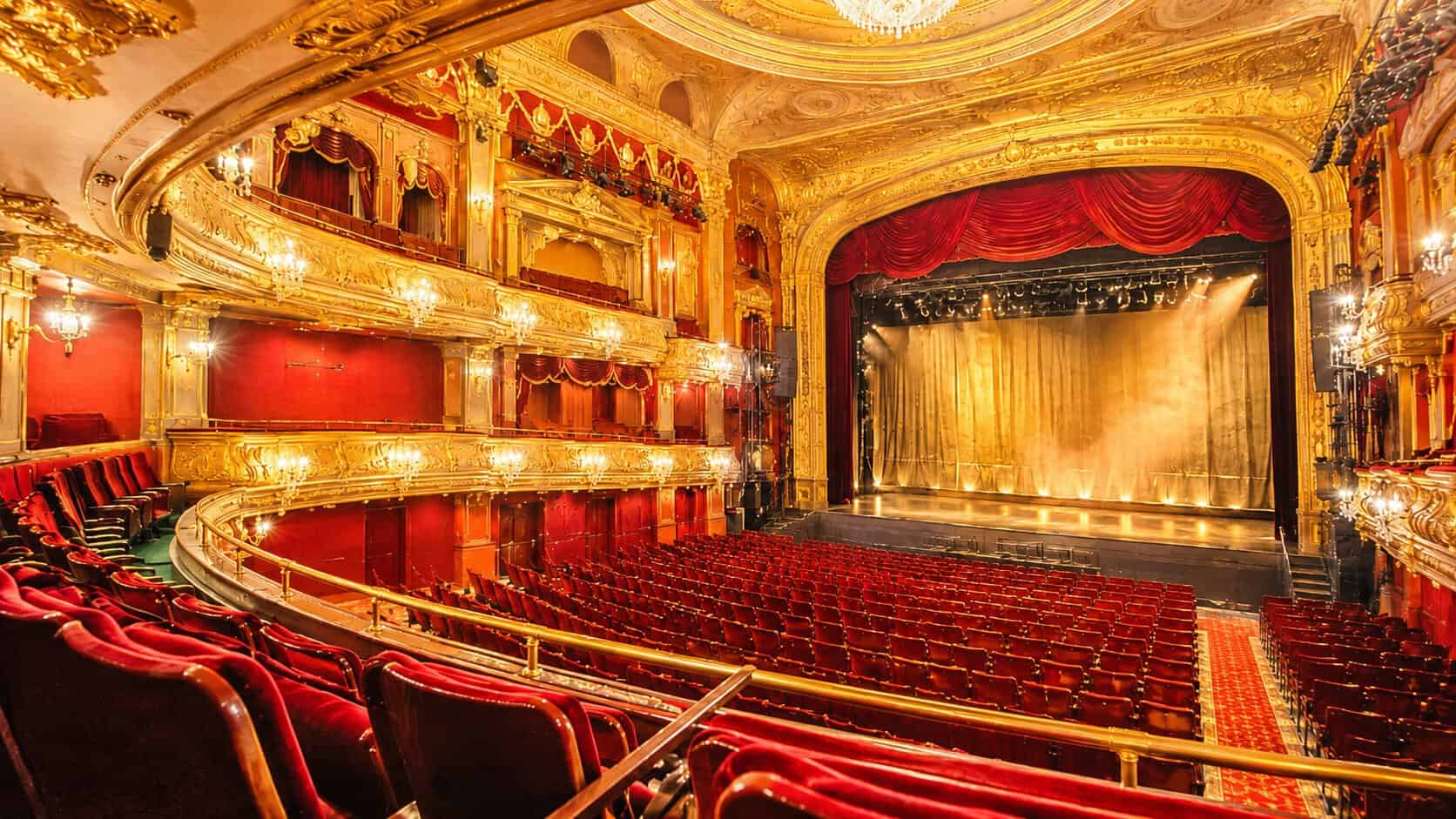
Stalls
The stalls are the seats at ground level, closest to the stage. In a modern theatre, these would be the most desirable seats. In a historic West End venue, it’s not always that simple.
The front stalls give you a direct, immersive view. You’re close to the action, and in a musical with a large cast this can feel spectacular. But in older theatres, the floor rake — the slope that lifts each row slightly higher than the one in front — is often very shallow. If you’re not in the first few rows, a taller person ahead of you can block part of your view. Legroom in the stalls can also be tight, especially in Victorian venues where the original seating layout hasn’t been modernised.
🧭 Travelglaze Tip:
If you’re tall or have knee concerns, avoid the rear stalls in older theatres. The combination of shallow rake and tight legroom can make two-and-a-half hours feel much longer.
Dress Circle
The dress circle is the first raised level above the stalls. In many traditional West End theatres, this is the sweet spot for comfort and sightlines combined.
Because you’re elevated, the stage view is clearer. You look down slightly onto the performance, which means the heads in front of you are less of an issue. The rake is often steeper here too, giving each row better clearance. In many historic venues, the dress circle also has slightly more legroom than the stalls — though this varies from theatre to theatre.
For comfort-focused travellers, the front three rows of the dress circle are often the single best choice in the house. You get a full, unobstructed view of the stage, a comfortable angle, and a sense of the theatre’s architecture around you.
Upper Circle and Balcony
The upper circle (sometimes called the grand circle) and the balcony sit higher up. These seats are usually cheaper, but the trade-off is clear: you’re further from the stage, the angle is steeper, and legroom is often at its tightest. In some theatres, the balcony also has safety rails that can cut across your sightline.
These seats can still work for a budget-friendly evening, but they’re not the comfortable choice. If you decide to book here, check recent audience reviews that specifically mention the view from that section.
Restricted View Seats
Restricted view means exactly what it says. In older West End theatres, this can include pillars, overhanging balconies, safety rails or side-angle views that cut off part of the stage.
A restricted-view seat is not always a terrible seat — sometimes it’s a pillar off to one side that doesn’t affect the main action. But it can also mean missing a third of the stage. The problem is you rarely know which one you’re getting until you’re sitting there.
🧭 Travelglaze Tip:
Before you buy your ticket, use a website like SeatPlan or Theatremonkey. Here, travelers upload actual photos taken from their seats. This is the best way to check if a “restricted view” seat is still acceptable for you, or if the legroom is enough for your comfort.
A Quick Comfort Note on West End Theatres
Comfort can change a lot from one seat to another, even inside the same theatre. Still, some West End theatres are generally easier for comfort than others, especially if you care about legroom, stairs and clear views.
Theatre Royal Drury Lane
This is one of London’s most famous historic theatres, but it has also had a major restoration. The public spaces feel more open than in many older theatres, and it can be a good choice if you want history with a more polished experience.
Sondheim Theatre
The Sondheim Theatre, home to Les Misérables, was rebuilt and modernised in recent years. It is still a West End theatre, but it often feels more comfortable and easier to navigate than some smaller historic theatres.
Victoria Palace Theatre
This theatre was refurbished before Hamilton opened in London. It is a good example of an older theatre that has been updated for modern audiences.
Gillian Lynne Theatre
This theatre has a more modern auditorium style than many traditional West End theatres. It can be a good option if you prefer a less cramped feeling.
Dominion Theatre and London Palladium
These are large theatres, so they can feel more spacious than the smaller Victorian playhouses. Still, check the upper levels carefully, as high seats can feel steep.
Pre-Theatre Dining: Where to Eat Before the Show
A relaxed West End evening isn’t just about the theatre. It’s about the whole rhythm: a quiet meal, a short walk, and arriving at your seat unhurried. The area around the theatres has plenty of places to eat
The Three Dining Neighborhoods
Covent Garden
Covent Garden is the most pleasant place to eat before theater. The atmosphere is relaxed, the area feels walkable, and there’s genuine character. You can browse independent restaurants, sit outside on a piazza, and feel like you’re part of London rather than rushing through a tourist zone.
Most theaters in the Covent Garden area (like the Royal Opera House) are a 5–10 minute walk from the dining streets. If you eat around 6:00 or 6:30 PM for an 7:30 or 8:00 PM show, you have time to linger without stress.
Soho
Soho has the most interesting restaurant scene—small independent places, international cuisines, and a creative energy. It feels less touristy than Leicester Square or Covent Garden. If you want to discover something real (not a chain), Soho is where to look.
Soho sits north of the main West End theater cluster, so it’s a 10–15 minute walk to some theaters, closer to others. The advantage: you’ll eat better. The trade-off: you might need to leave a bit earlier to make your curtain time.
🧭 Travelglaze Tip:
Most restaurants in Covent Garden and Soho offer a special “Pre-Theatre Menu.” This is a fixed-price menu with two or three courses. It is designed to be served quickly so you can finish in time for your show. It is an evergreen tradition in London; you don’t need to look for a specific restaurant name, as almost every place near a theatre will have a sign for this. It is often cheaper than the regular menu, making it a great choice for a high-quality but affordable meal.
Chinatown
🎭 Chinatown—tucked between Leicester Square and Soho—is a gem that many visitors miss. It’s a 2–5 minute walk from several West End theaters, and it’s full of small, authentic Chinese restaurants, dim sum places, and noodle bars. Most serve quick, delicious food. You can eat well for reasonable prices without the tourist markup you’d find in Leicester Square.
The atmosphere is busy and local, not fancy. It’s perfect if you want something different, authentic, and genuinely comfortable (no fussy service, just good food). And because the restaurants are used to theater-goers, they understand timing.
✨Fun fact Many restaurants in the West End have photos of famous actors on their walls. This is because actors often come to these places for a “post-theatre supper” after their performance is over. If you stay in the area after your show, you might even spot a performer having a late-night meal!
✨ A Travelglaze Moment
I have been visiting London regularly for over 40 years. I don’t watch a show every time I am in the city, but I have seen many over the decades. For me, the magic is not just on the stage, but in the buildings themselves. I love the atmosphere of a historic theatre: the smell of old wood, the red velvet seats, and the beautiful golden details on the ceilings. 🎭
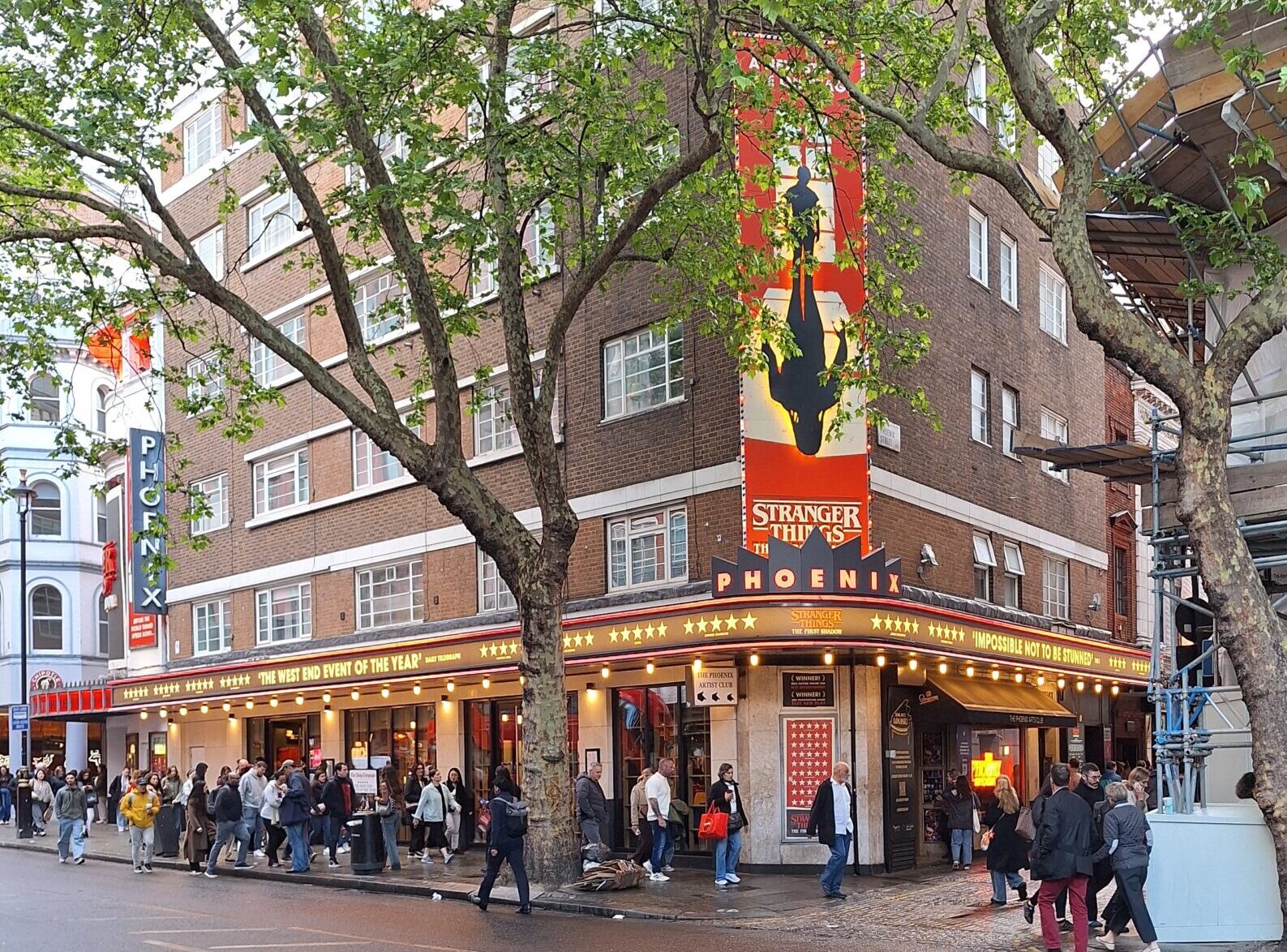
One of my most recent memories was watching Stranger Things: The First Shadow at the Phoenix Theatre. I didn’t have the best seats. A little tight, a slightly side-angled view. But honestly? I didn’t care. The production was so clever, so absorbing, that within ten minutes I’d forgotten about the seat entirely. There’s something to be said for letting the story take over.
Another special experience was seeing Harry Potter and the Cursed Child in 2022. This play is unique because it consists of two parts. There is a long break between the afternoon and evening performances, which gives you plenty of time to explore. I spent my break walking through Chinatown. With its bright lanterns and busy streets, Chinatown felt like a show in itself! 🏮 These moments — the mix of a great play and a slow walk through a lively neighborhood — are exactly what make a London trip so memorable.
That is what makes a West End evening special for me. It is never just one ticket or one seat. It is the theatre, the street, the walk before the show, the meal in between, and the feeling that you are part of London for a few hours.
🧭 Final thoughts
West End theater is one of those London experiences that feels iconic—and it can be. But comfort matters. You don’t need to spend a fortune or sit in the fanciest seats to enjoy it. You just need to know how the system works, choose seats that suit you, and give yourself time to breathe before the curtain rises.
Whether you’re drawn to the big musicals, the intimate plays, or the heritage of the theaters themselves, there’s a West End evening waiting for you. The question isn’t whether you’ll enjoy it—it’s how you’ll make it genuinely comfortable.
Have you experienced a West End show that surprised you? Or are you planning your first? I’d love to hear what draws you to London theater in the comments below.
And if you found this guide helpful, consider subscribing to the Travelglaze monthly newsletter. Each month, I share practical travel tips, seasonal insights, and stories from my own journeys—straight to your inbox. No spam, just the things that actually help you travel better.