🌆 City Traveler Types — Part Five
Different reasons to choose a city — focus, intention, and purpose
Some travelers arrive with a plan. Others arrive with a screenshot.
In this fifth part of the City Traveler Types series, we explore travelers who choose a city for a very specific purpose. Not because the city feels calm or romantic — but because something pulls them there before the trip even begins.
These travelers don’t wander aimlessly. They move with intention. Their days are shaped by what they came for — sometimes even before they booked the trip.
As always, these types are not fixed labels. Most of us shift between them, depending on the city, the timing, or simply how we feel.
Comfortable city travel isn’t about doing more or less.
It’s about choosing a style that fits your trip.
Jump to a city traveler type
🛍️ Shopping-First City Traveler
📸 Instagram Hunter / Photo-First Traveler
🎟️ Event-Driven City Visitor
💸 Budget City Traveler
🎭 Curtain Chaser
Some links in this article are affiliate links, shared as practical options to keep planning simple.
🛍️ The Shopping-First City Traveler
Chooses a city because shopping plays a real role in daily life there.
The Shopping-First City Traveler chooses a city where shopping is part of everyday culture, not just a tourist activity. They are not interested in souvenir streets or quick purchases, but in areas where locals actually shop.
This traveler plans days around specific districts: department stores, outlet areas, neighbourhood shopping streets, local markets, or streets known for fashion, design, or crafts. They compare prices, quality, and sizing, and notice clear differences between areas.
Shopping here is not about buying as much as possible. It is about access. Certain brands, styles, or products are easier to find — or only available — in specific cities.
Many Shopping-First travelers move calmly through a city. They take time to browse, try things on, ask questions, and sometimes leave without buying anything. The process matters as much as the purchase.
Cities like Tokyo, Seoul, Paris, Milan, London, and New York work well for this travel style. Smaller cities with strong local markets or craft traditions can be just as rewarding.
For this traveler, shopping isn’t a break from sightseeing.
It is the way they experience the city.
🌿 Travelglaze Tip
Choose one shopping area per day and stay there. Mixing markets, malls, and different neighbourhoods in one day leads to rushed decisions and tired browsing. One area gives better focus — and better choices.
🧠 Fun fact
Some brands don’t ship to every country, or charge high international shipping fees. For Shopping-First travelers, buying in-store can be the only practical way to get certain fashion, design, or beauty products that are hard to order online from home.

📸 The Instagram Hunter / Photo-First Traveler
Travels to recreate images — not to discover places.
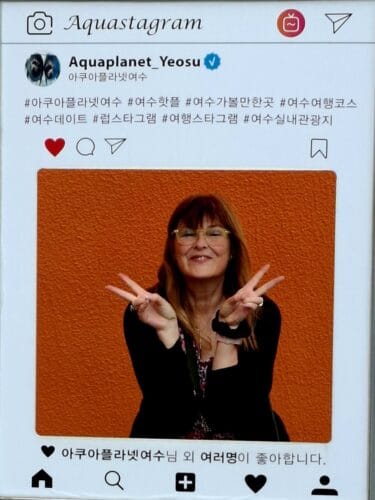
The Instagram Hunter chooses a city because certain images already exist online. Photos, reels, and saved posts shape the route long before the trip begins. Streets, cafés, viewpoints, and even shop interiors are selected because they caught the traveler’s interest online.
This traveler plans carefully around light, angles, and timing. They arrive early or wait for the right moment, focused on capturing a clean, recognisable image rather than enjoying the place itself.
What appears calm and spacious online is often small, busy, or noisy in reality. When queues, crowds, or limited space don’t match the image, frustration is common — especially when these details were never visible in the original instagram post.
For the Instagram Hunter, recognition often matters more than discovery. The satisfaction comes from matching the image, not from being surprised by the city.
Cities like Amsterdam, Paris, Bali, Kyoto, Santorini, and New York attract this travel style, especially in areas where the same visuals are repeated again and again.
🌿 Travelglaze Moment
In Amsterdam, long lines often form at Instagram-famous stroopwafel shops. People wait patiently for a photo — and a product they’ve already seen online.
Just a few streets away, places like the Albert Cuyp Market offer fresher, more authentic stroopwafels with no waiting at all. The difference isn’t quality or tradition — it’s visibility.
Moments like this show how strongly images can shape travel choices. Sometimes the better experience is close by, but skipped because it doesn’t appear on Instagram.
🧠 Fun fact
Some cities now mark exact photo spots used in popular Instagram posts. These markers turn images into repeatable templates — and slowly change how public space is used.
🎟️ The Event-Driven City Visitor
Travels for one fixed moment — everything else fits around it.
The Event-Driven City Visitor chooses a city because something specific is happening there. A concert, festival, exhibition, sports event, or conference is the main reason for the trip. The city itself is important, but secondary to the event.
This traveler plans around dates and times. Tickets come first, accommodation second, and transport last. The structure of the trip is clear from the start, which often makes travel feel calm and manageable.
Because the event is fixed, the city is experienced in short, practical moments. A walk before the show. A meal nearby. A quiet morning after. The trip may include fewer activities, but each one has a clear place in the day.
🌿 Travelglaze Tip
Choose accommodation close to the event venue or with direct public transport connections. This reduces travel stress, avoids late-night transfers, and makes it easier to return to your hotel after the event without rushing or planning around last trains.
🧠 Practical Note
Large events are often listed months in advance on international platforms. Websites like Songkick, Bandsintown, Eventbrite, and official venue calendars are commonly used by Event-Driven travelers to plan trips around dates — not destinations.
💸 The Budget City Traveler
Travels with clear limits — and uses them to make better choices.
The Budget City Traveler is not focused on spending as little as possible, but on spending with intention. A clear budget creates freedom: longer trips, more flexibility, or simply less stress during the day.
This traveler plans carefully. They look at transport passes, free museum days, neighbourhood food markets, and walkable areas. Expensive highlights are weighed against how much time or energy they really cost. Comfort comes from knowing what fits — and skipping what doesn’t.
Budget travelers often experience a city at street level. They walk more, use public transport confidently, and eat where locals eat. Not because it is “authentic” by definition, but because it is practical, affordable, and easy to repeat.
They also tend to travel at off-peak times, choose accommodation slightly outside the centre, and accept smaller rooms in exchange for better locations or longer stays. The focus is not on luxury, but on balance.
For this traveler, money is not a limitation.
It is a tool to shape the trip.
🌿 Travelglaze Tip
Many cities offer official discount cards or vouchers for visitors. These are usually sold by local tourist offices (VVV / visitor centres) or listed on official city websites. They often include reduced entry to museums, public transport discounts, or combined tickets.
International platforms like GetYourGuide, Tiqets, and official city pass websites are also commonly used by Budget City Travelers to compare prices in advance and avoid paying full price on the spot.
Checking these options before arrival often saves more than searching for last-minute deals in the city.
🧭 Practical note
Many cities offer weekly transport passes, free walking tours, and museum days with reduced or free entry. Checking official city websites before arrival often saves more money than searching on the spot.
🎭 The Curtain Chaser
Chooses a city for what happens on stage.
The Curtain Chaser travels for live performances. Theatre, opera, ballet, classical music, or contemporary dance are the main reason to visit a city. The cultural programme matters more than famous sights.
This traveler plans evenings first. Performance dates decide travel dates, and accommodation is chosen with return times in mind. Days stay lighter, often with calm walks, cafés, or one short visit before the show.

Curtain Chasers experience cities in a different rhythm. Mornings are slow, afternoons are quiet, and evenings are focused. They don’t try to see everything. Energy is saved for the moment the curtain goes up.
This travel style works in large cultural capitals, but also in smaller cities with strong theatres, festivals, or concert halls. What matters is not the size of the city, but the quality of the programme.
For the Curtain Chaser, a city is remembered by how it sounded, moved, or felt — not by how many places were seen.
🌿 Travelglaze Tip
Book performances before booking accommodation. Once you know the dates and end times, choosing where to stay becomes much easier — especially for evening transport and quiet returns.
🧠 Fun fact
Before tourism became common, people already travelled for performances. In the 18th and 19th century, opera seasons and theatre premieres were major reasons to visit cities — long before sightseeing was the goal.
🌙 Final Thoughts
Cities don’t ask us to travel for the same reason.
Some trips begin with a concert ticket. Others start with a saved photo, a shopping list, or a fixed budget. Motivation shapes not only what we do, but how a city feels once we are there.
The city traveler types in this part show that comfort isn’t always about slowing down or wandering freely. Sometimes comfort comes from focus, structure, or knowing exactly why you came.
Across this series, I’ve explored many ways of moving through a city — quietly, purposefully, emotionally, or with a clear goal in mind. Together, they form a flexible way of thinking about city travel, not a checklist you need to follow.
If you’d like to explore all city traveler types in one place, you can find them gathered on the main City Traveler Types page — a place to read, recognise, and mix styles at your own pace.
And the list isn’t finished.
Cities are layered. So are travelers.
Which city traveler type do you recognise — or feel is still missing?