How to Enjoy a City Trip Without Walking 20,000 Steps a Day

Practical ways to reduce unnecessary walking on a city trip, from smarter hotel choices and Google Maps planning to public transport and better breaks.

by Kitty

👟 How to Enjoy a City Trip Without Walking 20,000 Steps a Day

City trips are exciting, but they can also become surprisingly tiring. A museum here, a market there, a viewpoint on the other side of town, and suddenly you have walked much farther than you expected.

The problem is not always the number of things you want to see. Often, it is the way they are spread across the city. A poor hotel location, unnecessary backtracking, long transfers and too many different neighbourhoods in one day can add thousands of extra steps without making the trip better.

A comfortable city trip does not have to mean doing less. It can simply mean planning more efficiently. In this guide, I look at practical ways to reduce unnecessary walking while still leaving plenty of room to explore, stop, change plans and choose what works for you.

Some links in this article are affiliate links, shared as practical options to keep planning simple.

Choose one area per half day

🗺️ One of the easiest ways to reduce unnecessary walking is to group places that are close together.

Before your trip, save the places you want to visit in Google Maps. Use different saved lists or labels for museums, restaurants, viewpoints or shops, so you can immediately see which places are close to each other.

You can also download the city map for offline use. That is useful when mobile reception is poor or when you do not want to use data while walking around.

Once your places are marked, look for natural clusters. Choose one area for the morning and another for the afternoon instead of travelling back and forth across the city.

Also check the route between stops. Two attractions may look close on the map, but the easiest walking route can still include bridges, stairs, large crossings or a long walk from the nearest metro station.

🧭 Travelglaze Tip

Save your hotel in Google Maps too. It makes it easier to see whether returning for a break is realistic or whether it is better to continue exploring the area you are already in.

Your hotel location matters more than you think

🏨 A comfortable hotel is useful, but its location can make just as much difference to how tiring a city trip feels.

Woman with suitcase entering a hotel. In front of hotel public transport station

Before booking, look at the hotel on Google Maps and check the places you already know you want to visit. A hotel that is slightly outside the historic centre can still work very well if it has a tram, metro or bus stop nearby.

Also check what is within a short walk of the hotel. A supermarket, café, restaurant or pharmacy nearby can save several unnecessary trips during your stay.

If you like the option of returning to your room in the afternoon, look at the travel time from the areas you plan to visit. A hotel may be only a few kilometres away, but several transfers can make a short break impractical.

Choosing the right location can make a big difference to how much you walk during a city trip. In my guide to choosing the right base for a city trip, I explain how to compare the city centre with a neighbourhood stay, including transport connections, travel time and your arrival and departure plans

Use public transport for short distances too

🚋 Public transport is not only useful for crossing a city. A short tram, metro or bus ride can also save a surprising amount of walking during the day.
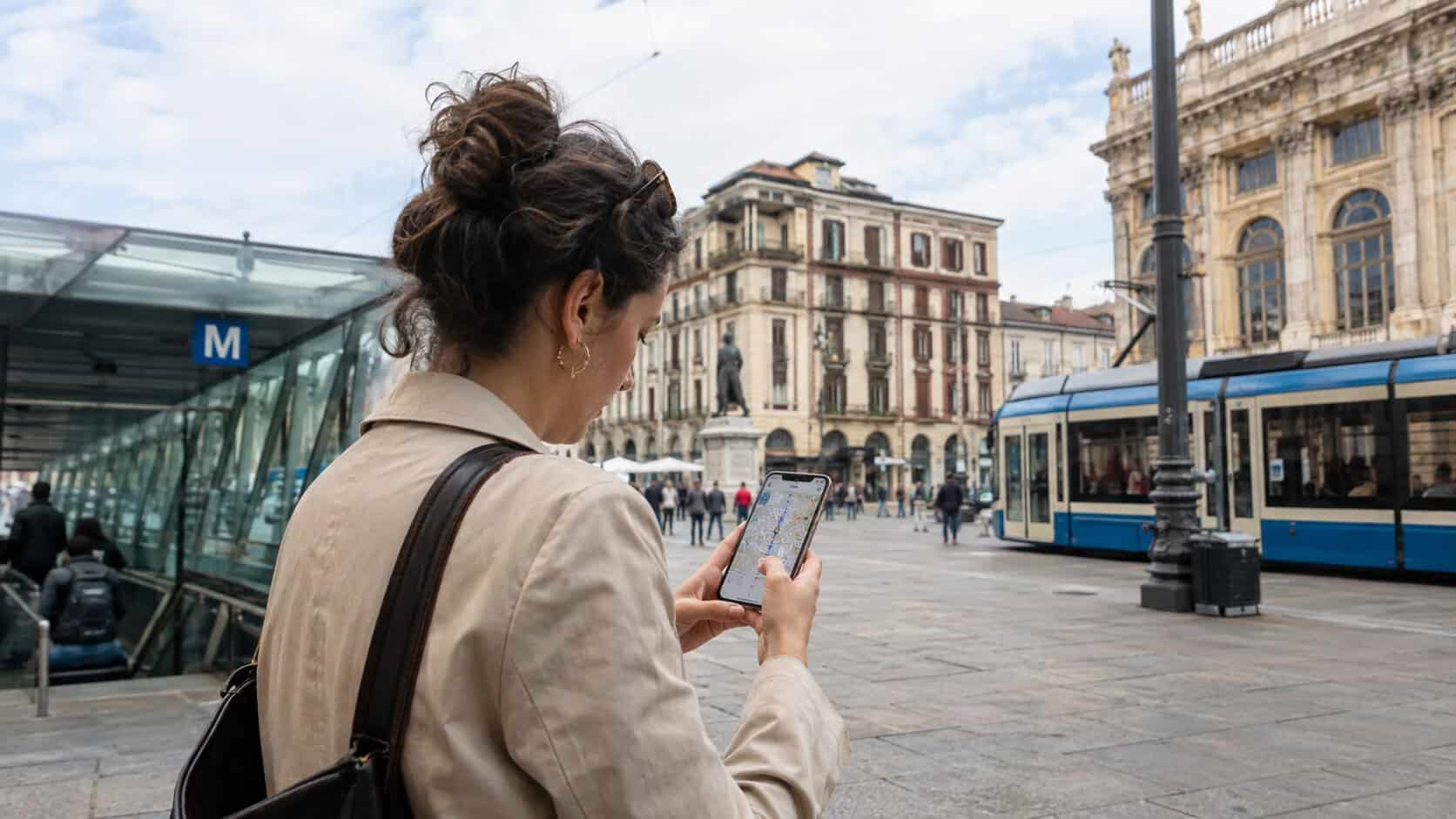
woman checking her phone in a city with a tram

If two places are a few kilometres apart, check whether there is a direct connection between them. Even three or four tram stops can make a difference, especially after a museum visit or later in the day.

Before travelling, look up how the local system works. In some cities you tap a bank card when entering and leaving, while others use paper tickets, apps, zones or day passes. Knowing this beforehand saves time at ticket machines and avoids unnecessary detours at large stations.

Also check whether the city has daily fare caps or travel cards. If you expect to make several short journeys, these can be more practical than buying separate tickets every time.

In hilly cities, look for funiculars, cable cars, escalators or public lifts. They can replace a steep climb and are sometimes included in the normal public transport network.

Taxis and ride-hailing apps can also be useful occasionally. They may make sense when you are tired, carrying luggage or shopping, or when public transport requires several changes.

🧭 Travelglaze Tip

Save the local transport app before your trip and check the exact stop or station exit before you start walking. Large metro stations can have several exits, and choosing the wrong one can easily add another ten minutes on foot.


Plan sitting time, not just sightseeing

☕ A break does not have to mean losing sightseeing time. Some activities already give you a chance to sit down while still experiencing the city.

A boat tour, scenic train, tram ride or viewpoint café can combine rest with sightseeing. Museums often have cafés or benches, and parks, squares and waterfronts can be useful places to pause without leaving the area you are exploring.

When planning your day, look for natural moments to sit rather than waiting until you are already tired. A longer lunch, a coffee after a museum visit or half an hour by the water can make the rest of the day much more comfortable.

It also helps to check practical details in advance. Some popular cafés and museum restaurants are busiest around lunchtime, while others require a reservation. If you already know where you might stop, you are less likely to walk around looking for somewhere to sit.
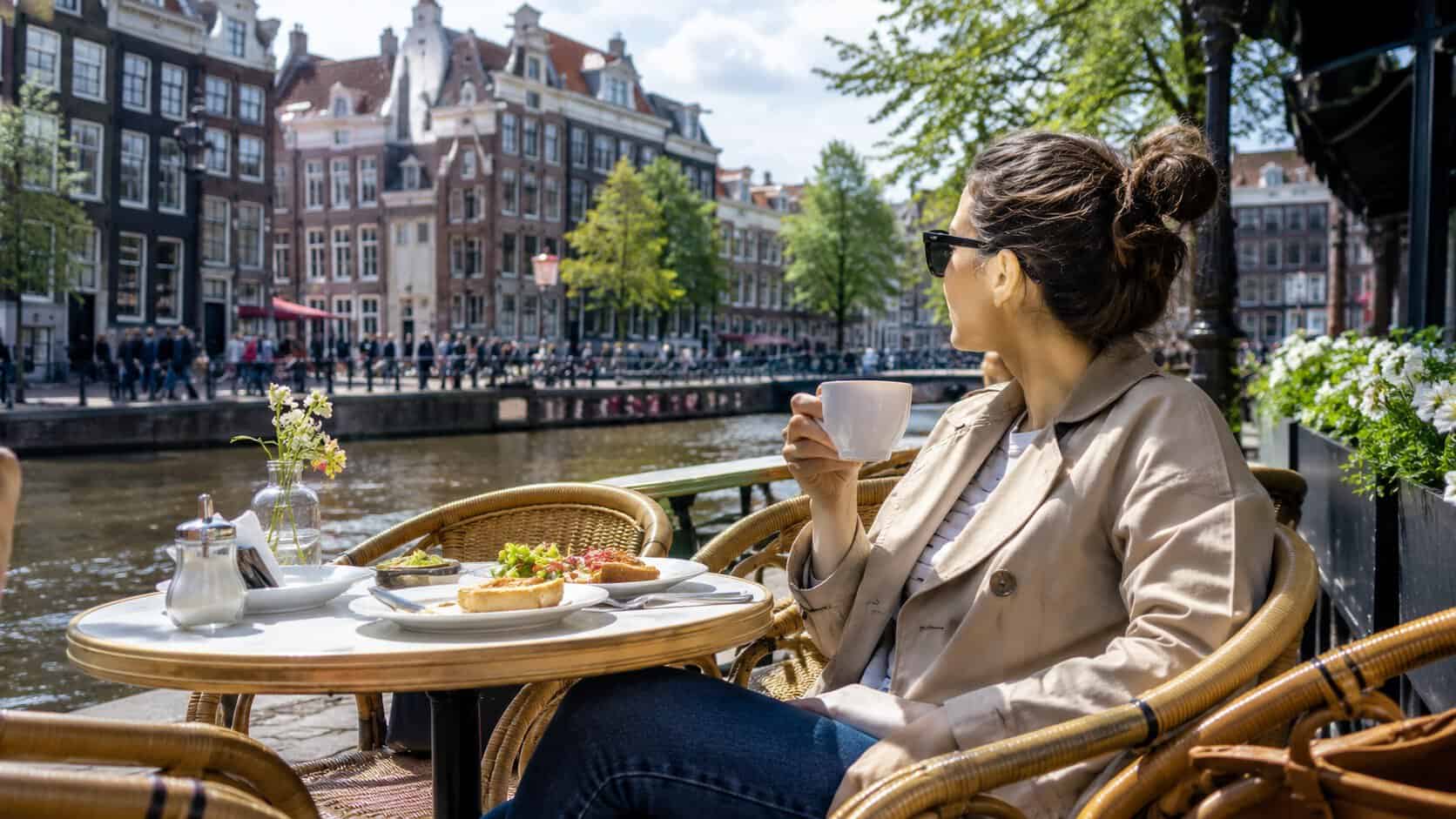
woman enjoying coffee and a view of the city and a river

Book attractions in a way that reduces waiting

Booking in advance is not only about avoiding sold-out attractions. It can also reduce the amount of time you spend standing in queues or walking around looking for another entrance or ticket desk.

A timed-entry ticket can make a museum or attraction easier to fit into the day because you know when you are expected to arrive. This is especially useful at very popular places where ticket lines can be long.

Before booking, check what the ticket actually includes. Some attractions have:

  • separate entrances for pre-booked tickets;
  • lifts as an alternative to stairs;
  • different entrances for exhibitions or rooftop areas;
  • security checks that still require waiting;
  • guided tours that start from a different location than the main entrance.

It is also worth checking the official website rather than relying only on a booking platform. The attraction itself usually gives the clearest information about entrances, accessibility inside the building, bag rules and current opening times.

For very large museums, look at the floor plan before you go. You do not have to see every room. Knowing which collections or sections interest you most can save a lot of unnecessary walking inside the building.

✨ Final thoughts

A comfortable city trip is often shaped by small practical decisions rather than one big change.

Start with station exits. Large metro and train stations can have several exits, sometimes on completely different sides of a square or neighbourhood. Check the exit number before you leave the platform if the local transport app or Google Maps shows it.

It also helps to decide where you want to eat before you are hungry. Walking around looking for a restaurant can easily add extra distance at the end of an already busy day. Saving a few options near the places you plan to visit gives you more flexibility without extra searching.

If you are shopping, try to combine purchases rather than carrying bags around all day. Many hotels will store shopping bags or luggage, and some stations and attractions have lockers.

For longer days, consider carrying a second pair of comfortable shoes if you know your feet respond well to changing footwear. Even small differences in pressure points can matter after several hours of walking.

And finally, do not automatically add every nearby viewpoint, church, bridge or shop just because it is close. Sometimes the extra stop is worth it; sometimes it is simply another 1,500 steps.

Do you plan your city trips around how much walking they involve, or do you usually find out at the end of the day?

This article is based on personal travel experience and independent research. AI tools may be used to support research and editing; all information is reviewed before publication.


Leave a Comment

You may also like

Travelglaze
Blog about travelling the world with wonder - for the somewhat older people